
When “nothing” may need a little more room
Making room for a quiet answer, without turning everyday conversation into an interview.
You ask about the day. The answer is one word.
“What happened today?” “Nothing.” You try another question. Then another. You want to know your child’s world, but the conversation is getting smaller with every attempt. It can be hard not to hear that brief answer as a door closing.
A short answer does not tell you why the conversation is short. You can stay interested without asking your child to produce a fuller account immediately.
There is more than one possible meaning.
“Nothing” might mean there is nothing they want to tell you now. It might mean they do not know where to start, want a snack or would rather think about something else. It may also be exactly the answer they intended.
Instead of announcing what you think is underneath it, leave room: “Okay. I’m glad to see you.” You are not withdrawing your interest. You are taking the first answer seriously.
Offer something they can join.
Later, you could share a small piece of your own day without requiring a matching story: “I walked past a dog carrying a very big stick.” Or ask one concrete, optional question: “Did you get to use the paints today?” Then allow the answer to be short.
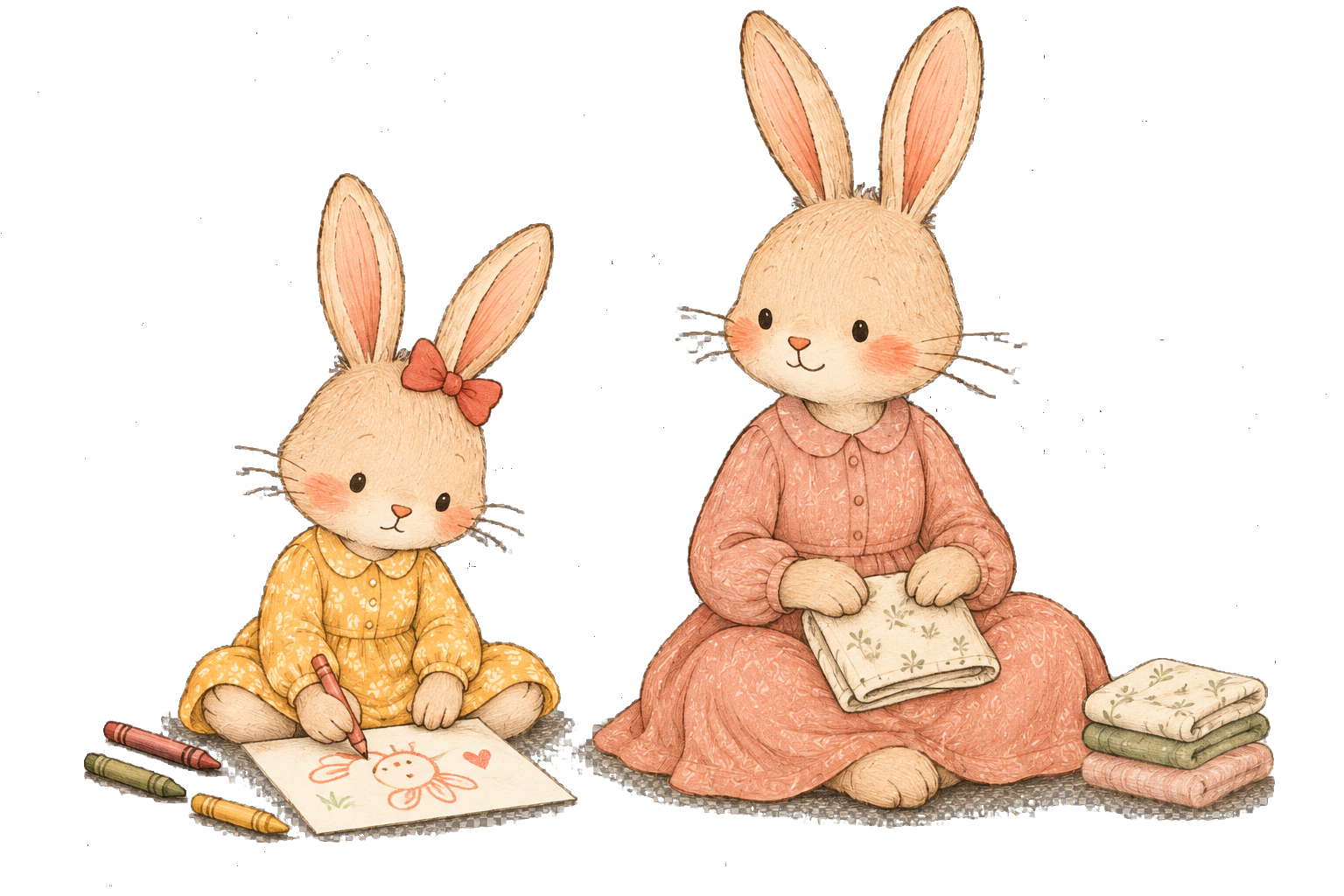
Side-by-side time can offer another opening. Folding laundry, drawing or walking together gives you something to share besides questions. Your child might talk, or they might not. The time together does not have to earn a disclosure to be worthwhile.
Listen to the first part before reaching for the solution.
If your child brings something up later, pause what you can and listen. Reflect what you heard before adding your interpretation: “You were still waiting when everyone else had a turn.” Ask whether they want help thinking about it, or just want you to know.
If you cannot listen properly then, be specific and return: “I want to hear this. Let me turn off the stove, then I’ll sit with you.” Keeping that small promise matters more than finding the perfect opening question.
A few words to begin with.
“Hi. I’m happy to see you. We don’t have to talk about the day right now.”
“That was a lot of questions. I can slow down.”
“Would you like me to listen, or help you think about what to do?”
Leave room for their answer.
“Would you rather talk, draw, or just sit together?”
“Is there something you want me to know?”
“Did I understand that, or have I got it wrong?”
There is room for a different response.
Respecting a quiet answer is not the same as ignoring a concrete concern. If you notice something worrying, describe it plainly and ask directly, without treating every quiet afternoon as a sign that something is wrong.
Be Heard
Another everyday moment.

When losing feels bigger than the game
Staying close through disappointment, without changing the result or rushing the next attempt.
Read the Story →
Finding your way back after a sharp moment
A small, honest repair after you have spoken more sharply than you intended.
Read the Story →