
Finding your way back after a sharp moment
A small, honest repair after you have spoken more sharply than you intended.
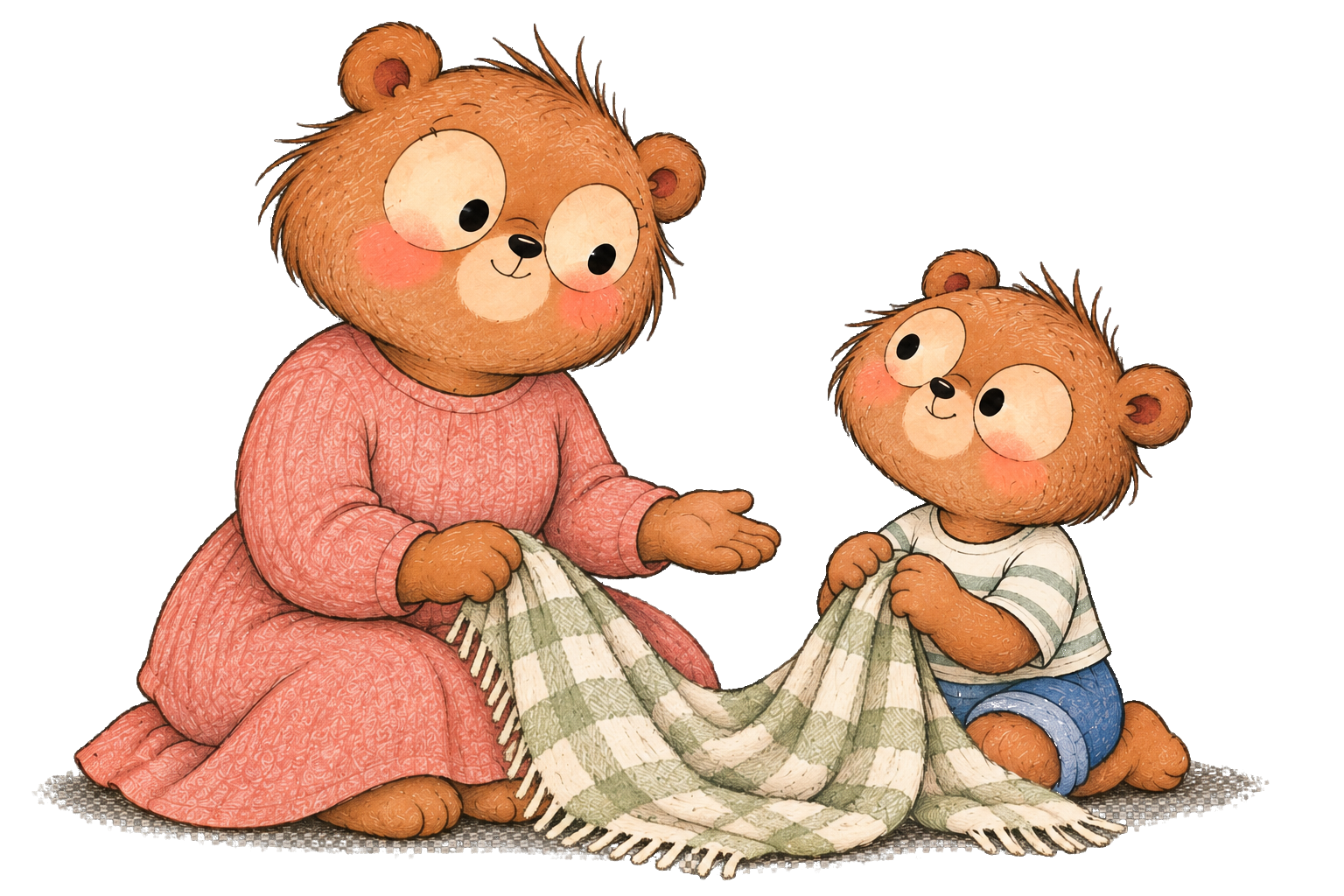
The words come out louder than you meant.
The blanket has fallen off the chairs again. You trip over a cushion, snap “Enough!” and see your child go quiet. Perhaps you still need the walkway cleared. Perhaps you are exhausted. Neither fact makes it feel good to watch the shared activity stop that way.
You cannot unsay the words. You can decide what you do next. Repair does not require pretending that there was no problem, or finding an explanation that makes the sharpness disappear.
An apology does not need a defence.
When you can speak steadily, name what happened: “I shouted when I tripped. That was too loud, and I’m sorry.” Keep the responsibility with you. “I’m sorry, but you never listen” asks the child to carry the apology back to you.
You can explain your feeling without making it an excuse: “I was frustrated. I still needed to speak to you respectfully.” There is no need to ask your child to reassure you that you are a good parent.
They may not be ready to move on.
Your child may want a hug, want to tell you it was unfair, or want you to leave the blanket alone. Listen without correcting their account into something easier to hear. You can say, “I hear that you didn’t like it,” even if the details of the moment look different to you.
Do not make immediate affection the proof that the repair worked. An apology can be offered without a required hug, smile or “It’s okay.” Give your child room to choose how they reconnect.
The next shared action can be small.
Offer a modest next step: “Would you like me to hold this end while you fold it?” If the fort needs to move, explain the boundary calmly: “We need a clear path to the door. We can build beside the sofa instead.”
The practical limit and the apology can both remain true. Afterwards, consider what you can change next time: ask for a pause sooner, make the space easier to use, or step away briefly when another adult can take over. Repair is not only what you say; it also includes what you try to do differently.
A few words to begin with.
“I spoke sharply. I’m sorry. You didn’t deserve to be shouted at.”
“We still need to clear the doorway. I can help.”
“Would you like me nearby, or would you like some space?”
Leave room for their answer.
“Is there something you want to tell me about what happened?”
“Would you like to finish this together?”
“What did I miss when I got frustrated?”
There is room for a different response.
A brief apology cannot make repeated hurt harmless. If the same pattern keeps happening, it needs changes and support beyond the words of repair. The child is not responsible for managing an adult’s reactions.
Feel Safe
Another everyday moment.
When losing feels bigger than the game
Staying close through disappointment, without changing the result or rushing the next attempt.
Read the Story →
When “nothing” may need a little more room
Making room for a quiet answer, without turning everyday conversation into an interview.
Read the Story →