
When your child doesn’t want to hug goodbye.
How a familiar family moment may become a quiet lesson in body autonomy—without treating affection as an obligation.
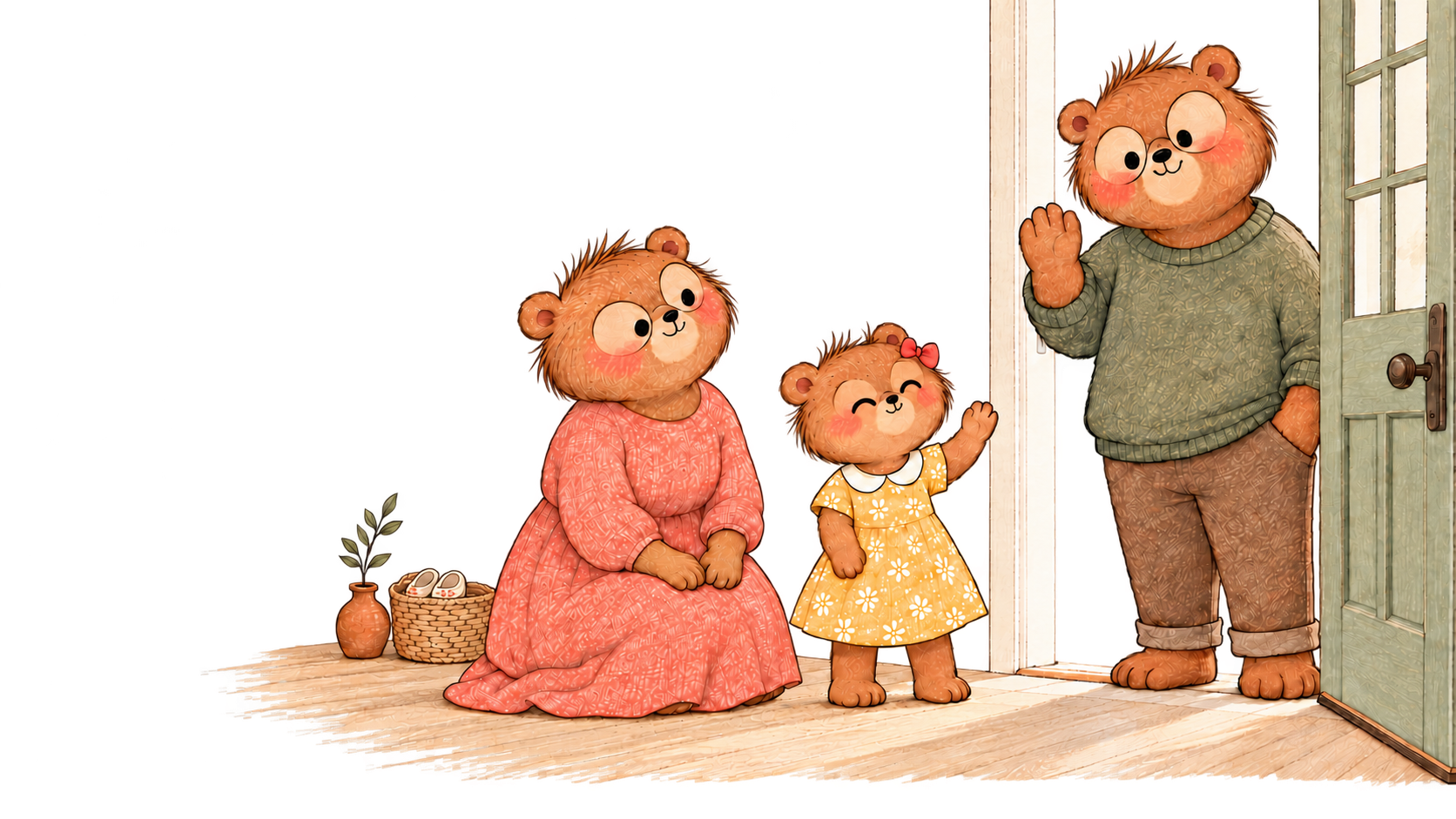
Everyone is ready to leave. Then comes the hug.
A relative opens their arms. Your child turns away, hides behind you or says no. The room pauses. Someone laughs. Someone says, “Don’t be rude.” You may feel caught between protecting your child’s comfort and protecting another person’s feelings.
It is a tiny moment—but it can carry several needs at once.
A no to a hug is not always a no to the person.
A child might be tired, overwhelmed, shy, playful or simply not want physical contact then. Rather than deciding on one cause, we can treat the response as information: this form of affection does not feel right at this moment.
“I might still love you. I might just want to choose what happens to my body right now.”
Illustrative perspective—not a claim about any child’s literal thoughts.
Boundaries are both a right and a relationship skill.
When adults notice a child’s discomfort, they show that affection and respect can belong together. The aim is not to turn a goodbye into a formal lesson. It is to make space for connection that does not depend on unwanted touch.
Keep the connection. Change the form.
“You don’t have to hug. Would you like to wave, high-five or say goodbye another way?”
Talk about kinds of greetings your child enjoys and which ones they may choose.
Before a visit, remind everyone that warm hellos and goodbyes can look different.
If you pressured the hug, return later: “I should have listened when you showed me you didn’t want that.”
Let the child help shape the alternative.
How do you like to say goodbye?
What helps you show someone you care?
What would you like me to do when you say no to touch?
A child’s voice matters even when every answer cannot be yes.
Adults still guide care and safety. A child may need help with a seatbelt, medical care or hygiene even when they dislike it. We can be clear about what must happen, explain why, offer real choices where possible and avoid using necessary care to dismiss boundaries in unrelated moments.
Feel Respected
Continue through body autonomy, saying no, personal space, privacy and mutual respect.
Explore Feel Respected →My Body, My Rules Towel
An embroidered everyday reminder that a child’s body and boundaries matter.
View the towel →More everyday moments.
When “nothing” may need a little more room
Making room for a quiet answer, without turning everyday conversation into an interview.
Read the Story →
Finding your way back after a sharp moment
A small, honest repair after you have spoken more sharply than you intended.
Read the Story →