
Books & conversations
Choosing a children’s book about fairness: beyond a tidy moral
How to choose and share a children’s story about fairness, with open questions about colours, games and everyday choices.
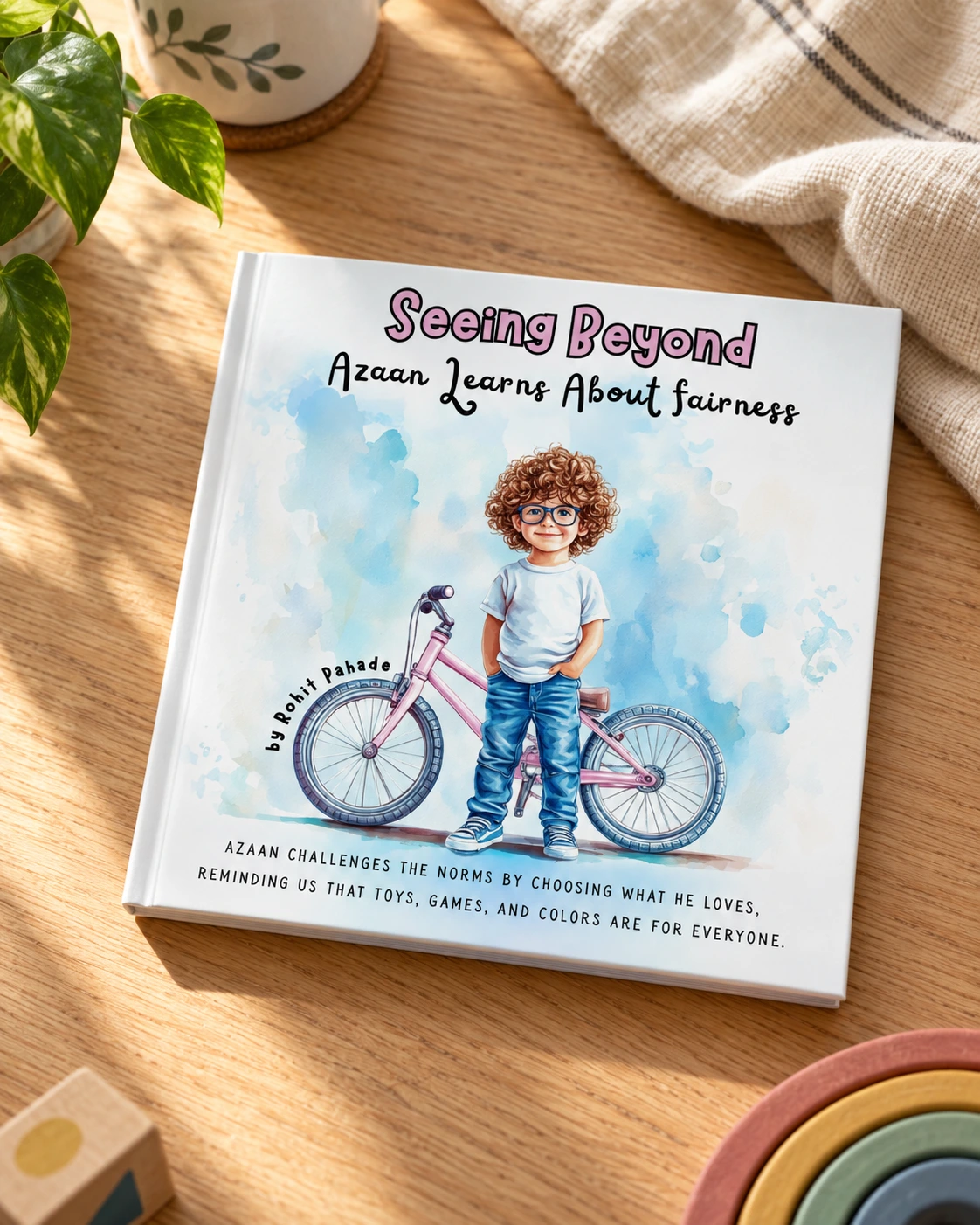
A book about fairness can open a conversation without asking a child to produce the right answer. The most useful starting point is often a scene they want to talk about: someone left out of a game, a colour someone is told not to like, or a choice that seems to belong to only one group.
From The Soulful Sprouts: this guide includes products from our own collection.
Look for a situation, not only a slogan
Before buying, read the description and look at any sample pages. Is there a situation you can discuss together? Can the child disagree with a character, notice an illustration or ask why something happened? A story does not need to end with a speech to give you something worth talking about.
Think about language and shared-reading preferences too. Age alone does not tell you how much text a child wants to hear, which pictures hold their attention or whether they would rather return to a familiar book.
A book to explore: Seeing Beyond
Seeing Beyond: Azaan Learns About Fairness is the first book in our Raise Responsible Boys collection. Its story uses colours and play to invite a conversation about fairness and gender stereotypes. It is written by Rohit Pahade and costs AED 60 per book, available for pre-order.
The book connects with the first point of the Raise Responsible Boys agenda. You can explore that wider work separately; a child does not need the whole agenda explained before enjoying a story.
Try questions that leave room
Ask, “What do you notice here?” before asking what the child has learned. Later you might try, “Who gets to choose the game?” or “Can someone like a colour different from yours?” Give them time, and allow a short answer or a return to the picture.
Avoid using the book to catch the child out: “See, that is what you did yesterday.” If an everyday incident is worth discussing, name it directly and kindly at a suitable moment. Reading together should not feel like a disguised reprimand.
Notice your own everyday words
After the story, pay attention to casual descriptions such as “that is for boys” or “girls do not play that.” You can replace a restriction with a more precise question: “Would you enjoy it?” or “What do you like about it?”
Fairness does not always mean identical choices. Different people may need different help, and safety rules still matter. Let the conversation stay connected to the actual situation instead of trying to turn one story into a rule for everything.
Giving the book as a present
Include a note about why you chose the story, not what you expect the child to become after reading it. A promise to read it together may be more welcome than an extra worksheet. If you are buying for another family, consider whether its topic and language suit them.
Confirm the pre-order dispatch timing before choosing this book for a birthday. Our five gift ideas for a five-year-old offers other directions when a book is not the right fit.
Keep reading
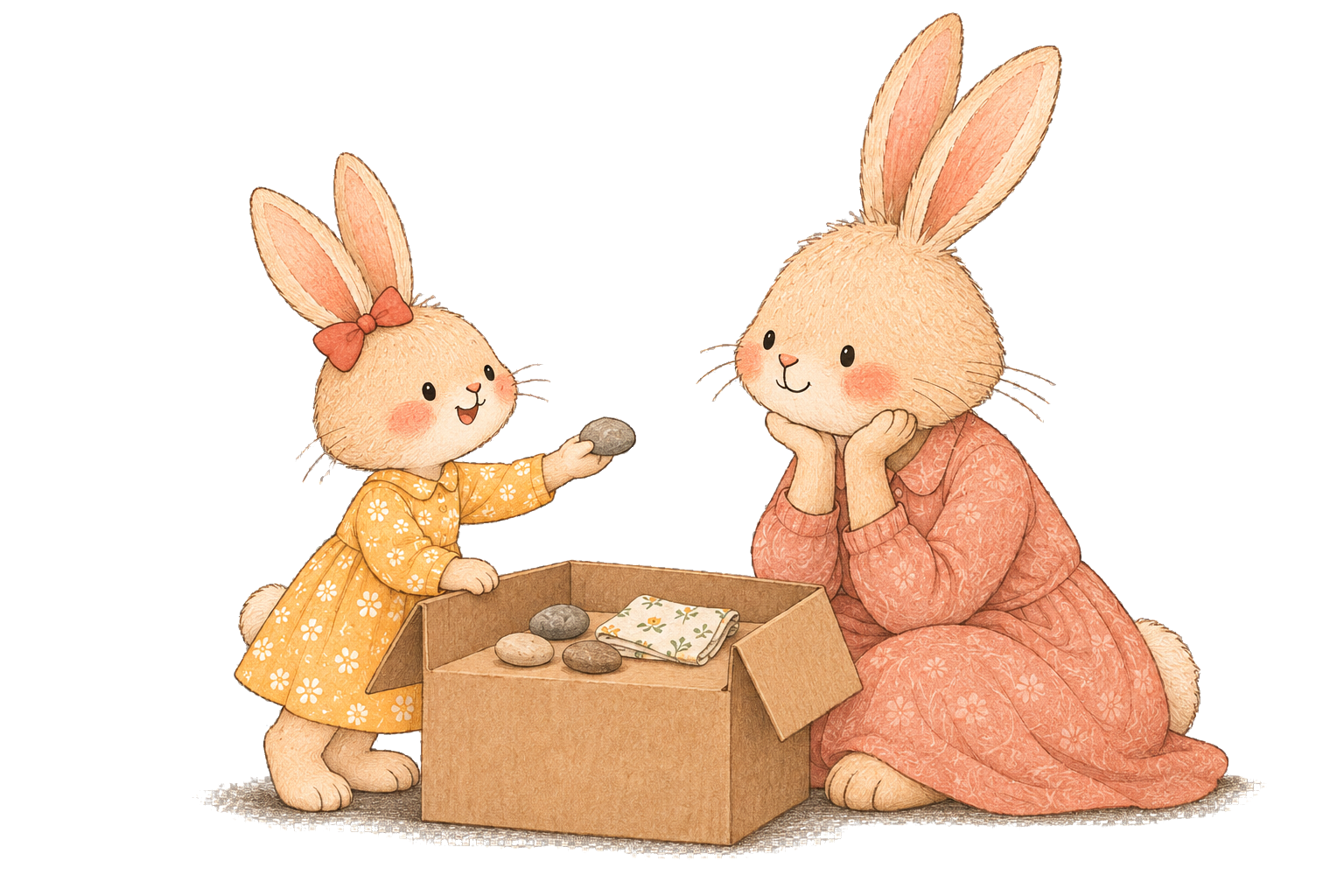
5 thoughtful gift ideas for a five-year-old
Five gift ideas for a fifth birthday, from shared stories to open-ended play, with a simple way to choose for the child you know.
Read the guide →
Thoughtful birthday return gifts in the UAE: a practical guide
Plan children’s birthday return gifts around a clear budget, the guest list and delivery dates, with books and towels as considered options.
Read the guide →