
Raise Responsible Boys
Twelve starting points for raising boys with empathy, emotional openness and respect for people of every gender.
A CACTUS Foundation India initiative, powered by askRAHAT. Here at The Soulful Sprouts, we are making space for its 12-point agenda and a companion collection of children’s stories.
More room to grow. Fewer rules about being a boy.
Messages such as “boys don’t cry” and “boys will be boys” can close down conversations about feelings, care and responsibility. This work invites families and educators to question those messages and model something different.
The focus is on guiding boys, not blaming them. Boys deserve care, safety and support themselves. Respect, dignity and freedom from rigid gender expectations matter for every child.
Everyday ideas. Lifelong conversations.
These web summaries adapt the original agenda into everyday language. The examples and questions below are conversation starters, not a test or a checklist for a perfect child.
- Recognise and reflect on gender bias
- Create a positive environment
- See people beyond labels
- Share the work of caring for a home
- Make room for emotions and feelings
- Practise patience and responsibility
- Make consent an everyday practice
- Value self-worth in yourself and others
- Put care and effort into relationships
- Understand healthy closeness and intimacy
- Support each other’s growth
- Challenge the rigid “man box”
Recognise and reflect on gender bias
Notice the assumptions we pass on through our words, expectations and everyday choices. Change begins with adults being willing to learn, too.
Try this in everyday life
Who gets asked to help, lead or be brave? Notice whether gender changes your expectations.
Would we say the same thing if this person were a different gender?
Create a positive environment
Build homes, classrooms and communities where respect is modelled, feelings can be shared and harmful behaviour is addressed.
Try this in everyday life
Model a calm disagreement. Listen, take responsibility and show how to repair after a mistake.
What helps everyone here feel safe and respected?
See people beyond labels
A person’s clothes, interests, identity or choices never make them less deserving of dignity. Teach respect for women, girls and people of every gender.
Try this in everyday life
Question labels in stories and everyday conversation without shaming the child who repeats them.
What could we learn about this person instead of making an assumption?
Share the work of caring for a home
Cooking, cleaning and caring are life skills, not gender roles. Help boys recognise the effort involved and take an age-appropriate share of responsibility.
Try this in everyday life
Choose a household task to learn and take responsibility for, rather than treating it as helping someone else.
What needs doing, and how can we share it fairly?
Make room for emotions and feelings
Boys can feel sadness, fear, tenderness, joy and disappointment. Help them name their feelings and express them without hurting themselves or others.
Try this in everyday life
Replace “boys don’t cry” with a listening response. Hold a boundary around harmful actions while acknowledging the feeling.
What are you feeling, and what might help right now?
Practise patience and responsibility
Help boys navigate waiting, limits and disappointment without a sense of entitlement. Offer meaningful experiences and guidance, not labels about who they are.
Try this in everyday life
Take turns, wait together and talk through a disappointment. Support repair when someone has been hurt.
It is hard to wait. What can we do while it is someone else’s turn?
Make consent an everyday practice
Ask before touching, borrowing or sharing something that belongs to someone else. A “no,” uncertainty or silence is not permission, and people can change their minds.
Try this in everyday life
Ask before a hug or a photograph. Accept the answer, and give children the same respect for their own boundaries.
Have we asked, and are they comfortable with this?
Value self-worth in yourself and others
Worth is not measured by appearance, possessions, popularity or status. Make room to notice character, values and the person behind an achievement.
Try this in everyday life
Notice honesty, kindness and effort without ranking children or comparing what they own.
What do you value about yourself that cannot be bought or counted?
Put care and effort into relationships
Listening, reliability and repair are shared responsibilities. Help boys practise these in friendships and family life, with mutual respect and safe boundaries.
Try this in everyday life
Follow through on a promise, listen to another perspective and offer a meaningful apology. Caring does not mean staying in an unsafe relationship.
What could we do to repair this and make things better?
Understand healthy closeness and intimacy
Use age-appropriate conversations about trust, affection and emotional closeness. Healthy connection includes consent, privacy and respect, never pressure.
Try this in everyday life
With younger children, talk about trusted relationships and comfortable affection. As children grow, keep questions about relationships welcome and respond in age-appropriate ways.
How can we show care while respecting what feels comfortable for each person?
Support each other’s growth
Encourage boys to value other people’s hopes, interests and work. In adult partnerships, this means sharing responsibilities and supporting each other’s personal and professional growth.
Try this in everyday life
Celebrate a friend’s success and make space for everyone’s interests, without making it a competition.
What matters to them, and how could we support it?
Challenge the rigid “man box”
Question narrow rules about how a boy or man must act. Courage can include asking for help, showing tenderness, speaking against unfairness and being yourself.
Try this in everyday life
Challenge phrases such as “man up” or “that’s for girls.” Let interests, play and caring roles be open to everyone.
Who decided boys cannot do that? What do you think?
Twelve points. Twelve children’s books.
Rohit Pahade has written a children’s book around each of these 12 points. Meet the first title, Seeing Beyond: Azaan Learns About Fairness, now available for pre-order.
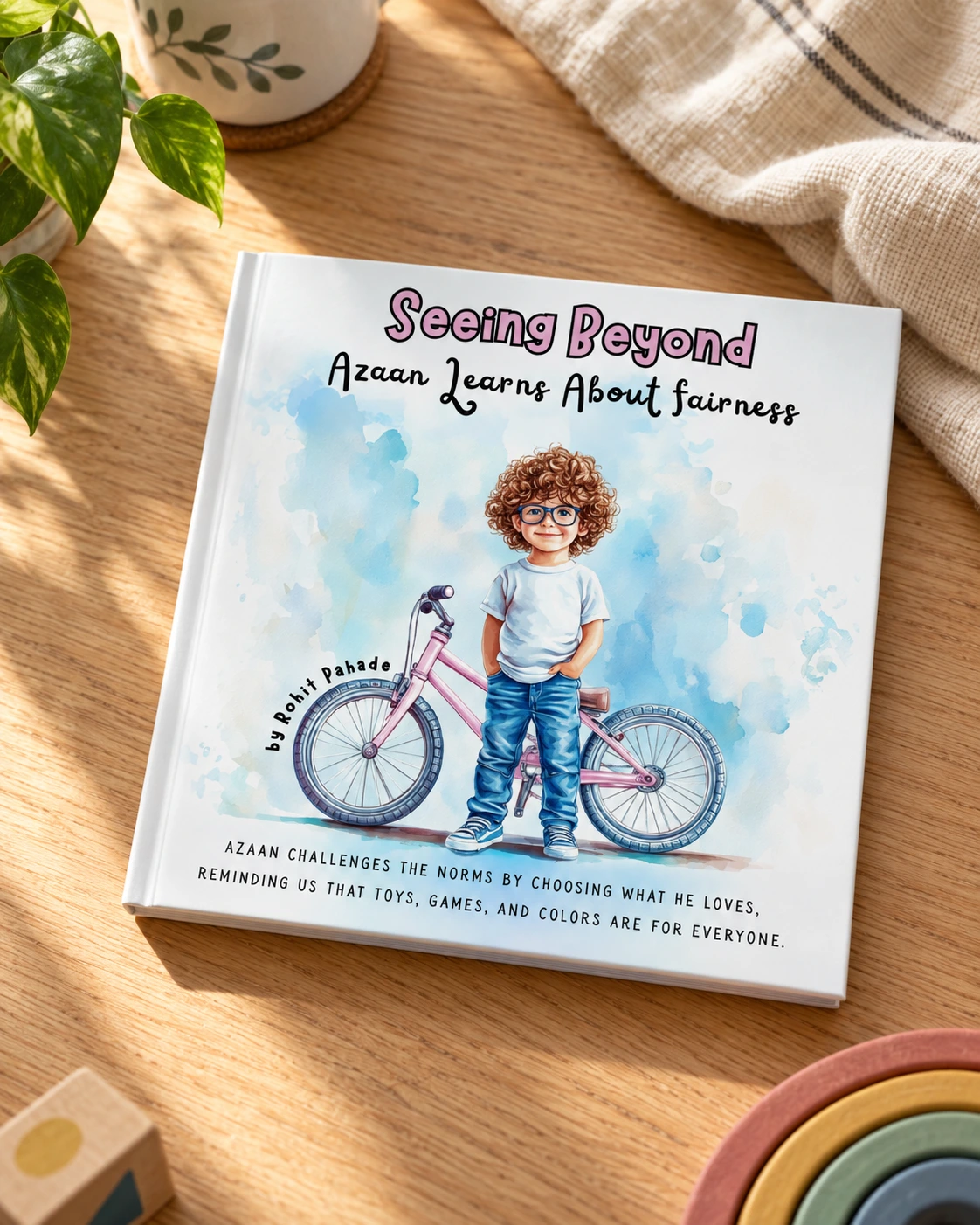
Seeing Beyond
Azaan Learns About Fairness
A pink bicycle, a day of play and a gentle reminder that colours and games are for everyone.
AED 60 per book
Discover the book →The remaining 11 titles and their details will be introduced here.
Start where you already are.
At home
Share household responsibilities, welcome feelings and practise asking permission. Let children see adults questioning their own assumptions.
In learning spaces
Use stories and role play to discuss fairness. Keep activities open to everyone and model respectful language and boundaries.
In your community
Bring one theme into an existing conversation or gathering. Listen to different experiences and challenge stereotypes with care.
This agenda is a starting point for ongoing learning, not a complete solution. Choose conversations that fit the child’s age, understanding and circumstances.
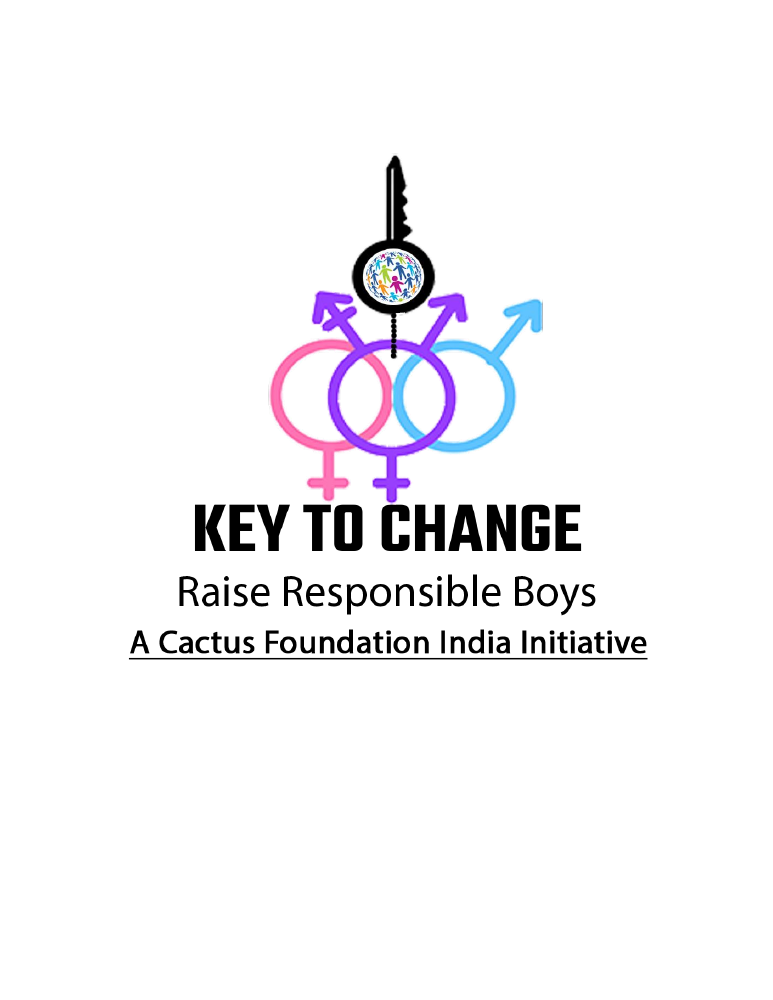
Read the campaign guide.
The original CACTUS Foundation document sets out the 12-point agenda, its background and implementation ideas for families, educators and communities.
Download the original guide (PDF) ↓Source: Key to Change – Raise Responsible Boys. CACTUS Foundation India initiative, powered by askRAHAT. Website summaries and conversation prompts are adapted for this page.
Ask us about this work →